
Vehicle Hire for Portsmouth Port and Solent Journeys
Port and ferry journeys need more than a destination name: sailing time, terminal, vehicle carriage, passenger luggage and the exact handover address can all change the suitable hire plan.
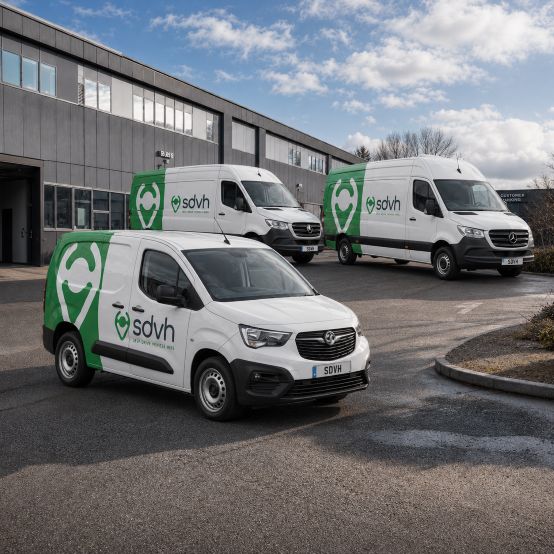
Identify the port, terminal and sailing
Portsmouth International Port, Southampton docks and local Solent crossings are separate journey types. Give the exact terminal or meeting address, sailing time and check-in requirement so the handover is planned around the real trip rather than a broad reference to Portsmouth or Southampton.
Say whether the hire vehicle will travel on the ferry or only carry people and luggage to the terminal. Vehicle-carriage bookings can have operator dimensions, timing and documentation requirements that are separate from the hire agreement.
Choose around passengers or load
For passenger journeys, count people, cases and any mobility or sporting equipment. A car or people carrier may be easier for a small group, while a minibus request needs luggage space and driver entitlement checked as carefully as the seat count.
For tools, exhibition material, stock or moving loads, describe the item dimensions and loading method. A van category should be selected around usable load space, payload and access, not simply because the destination is a commercial port.
Plan Solent-side access and connections
A journey may connect Portsmouth with Southsea, Gosport, Fareham, Southampton or Hythe. List the stops in travel order and identify whether a ferry forms part of the route, because straight-line proximity across the Solent does not describe the actual road journey.
Timed sailings make collection and return planning important. Ask what happens if a sailing changes and avoid arranging a handover in a place where the vehicle cannot lawfully or practically wait.
Port-journey booking checklist
Have the sailing details, passenger and luggage totals, vehicle-carriage decision, terminal address, driver information and return plan ready. For a commercial load, add weights, dimensions, loading equipment and any site-access instructions.
Before paying, confirm mileage, total price, excess, deposit, cancellation, delivery or collection, late-return terms and whether the planned ferry or overseas use has written approval. The port operator's requirements do not replace the hire company's terms.
How to use this guide before calling
Use this vehicle hire guide as a practical filter before you call. It should help you narrow the vehicle type, but the final booking still needs an availability check, driver check and terms check.
Write down the route, hire date, passenger count, luggage or load size, preferred transmission and delivery or collection address. Those details matter more than a broad label such as car hire, especially when the vehicle has to fit a specific job.
When to compare another vehicle category
If the trip changes, compare the guide topic with the wider car hire, van hire, minibus hire services. A customer asking about a car body style may really need extra luggage space, while a customer asking about a small van may actually need a longer load bay or tail-lift option.
The safest booking conversation starts with the job, not the vehicle name. A light family journey, a station pickup, a student move, a trade delivery and an event run can all point to different vehicles even when the first search term sounds similar.
Official sources and review date
Reviewed 2026-07-27. Check the linked operator or authority before travel because access and transport information can change.