












Plan the Southsea journey
Southsea journeys may involve a mixture of local streets and wider connections. Route references around the area include A288, A2030, A2047, A3 and M275. These names can help describe the intended start, destination or onward direction during a telephone enquiry, especially when the journey includes more than one stop. A compact car may suit a plan involving frequent parking and short urban movements, while extra passenger or luggage room may be preferable for a longer trip beyond Southsea. The route itself is only one part of the choice. The number of travellers, expected bags and likely parking conditions should also be explained, allowing the booking team to discuss a vehicle group that fits the whole itinerary. The handover address and collection details are settled by phone rather than inferred from a route reference.
Cars for everyday journeys
A hire car may be useful for taking passengers to appointments, carrying shopping and luggage, connecting with a station, or making several personal stops in one day. Southsea travel can also involve a mix of town driving and longer journeys, so comfort and storage deserve attention alongside exterior size. Someone travelling alone with a small bag may value straightforward parking, while a family carrying several cases may benefit from more usable cabin or boot space. Explaining the purpose of the journey by telephone helps narrow the choice without assuming that every trip needs the same type of vehicle. The booking team can also note whether frequent stops, passenger access or heavier luggage should influence the discussion. Any commercial conditions, driver requirements and hire terms are confirmed through the booking process.
Make the handover practical
Southsea has a range of recognisable meeting points, including Portsmouth & Southsea station, Fratton station, Southsea Common, Kings Theatre and South Parade Pier. These references may help explain the intended area, but they do not themselves set the handover location. Consider where passengers can wait safely, whether luggage can be loaded without blocking access and how much room a larger vehicle may need. If parking is tight or the address has a restricted entrance, mention the detail during the telephone conversation. A clear description of the final location supports more useful planning for delivery and collection. The confirmed address, timing and practical instructions come from the booking discussion, so nearby landmarks should be treated as guidance rather than a substitute for the agreed details.
Match size to people and parking
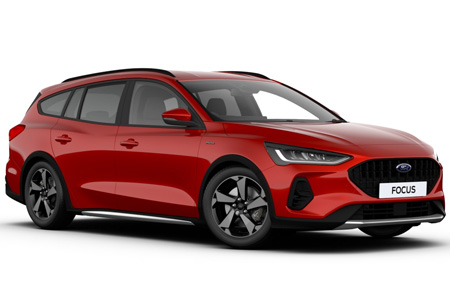
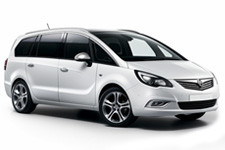
Vehicle choice in Southsea is often a balance between passenger comfort and ease of parking. Start with the full passenger count, then add the bags each person is likely to bring. A smaller car may be preferable for narrow spaces, repeated stops or drivers who prioritise easy manoeuvring. A roomier passenger vehicle may be more suitable when several people need personal space or luggage must remain inside the car. Body size, access at the destination and the journey length all matter. Describe those requirements by phone rather than choosing on seating alone. The booking team can compare the listed vehicle groups against the stated needs, while the terms of hire determine any further restrictions affecting the final choice.
Nearby Hampshire journeys from Southsea
Car-hire journey references from Southsea include Portsmouth, Gosport, Hayling Island, Portchester and Havant. For travel from Southsea towards Portsmouth, Gosport or Hayling Island, provide full postcodes and check current parking, access and road-charge information.