
Plan the Southsea journey
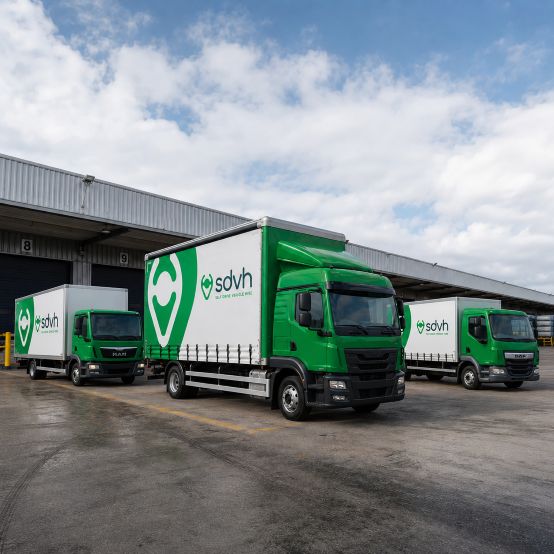
For a journey starting in Southsea and ending at the customer’s chosen destination, route planning should reflect the truck’s height, width, length and loading needs. Route references around the area include A288, A2030, A2047, A3 and M275. They can help structure a conversation about the intended start point and destination, but they do not replace checking the precise addresses. A larger body may need more room to turn or stop than a car, while a tail lift or ramp needs a firm, reasonably level position beside the load point. Share any planned intermediate stop, restricted approach or awkward final section by telephone. The booking team can then consider the route information alongside the truck body, loading method and customer’s stated requirements.
Match the truck to the job
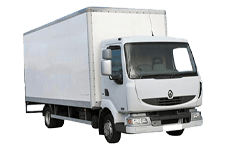
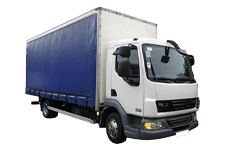
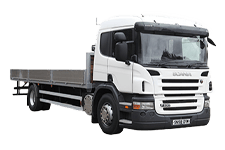
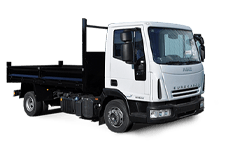
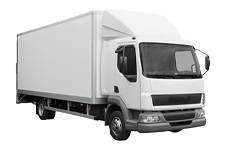
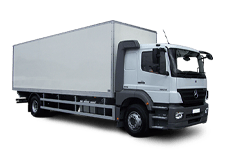
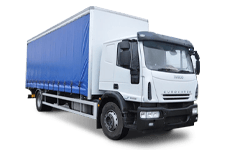
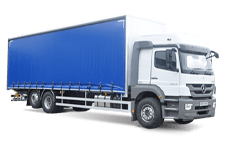
Southsea journeys can involve moving furniture, taking equipment to a work site, clearing bulky items or carrying goods between storage and a property. A truck may also be useful when a load needs a covered body, a wide rear opening or powered assistance at ground level. Around Portsmouth & Southsea station, Fratton station, Southsea Common, Kings Theatre and South Parade Pier, the practical question is where the vehicle can stand while goods or equipment are handled. The work itself determines whether enclosed protection, open access, a ramp or a tail lift matters most. Describe the planned job, the items involved and the people helping with loading, so the proposed body style reflects the task rather than an assumed route.
Prepare the loading point
Before requesting truck hire in Southsea, assess the space at both ends. Check whether a vehicle can reach the entrance, whether the surface is suitable for a trolley or tail lift and whether parked cars, walls, trees or gates may restrict the loading position. Note overhead clearance and any need to reverse, turn or pause on a slope. If passengers are meeting the vehicle, choose a safe point away from moving traffic and say how many people will travel. The final address, stopping position and handover method are agreed by telephone. Practical access information helps the booking team judge which body length and loading arrangement are sensible for the stated job.
Choose by body and load
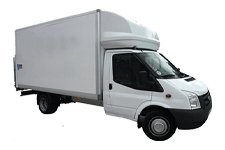
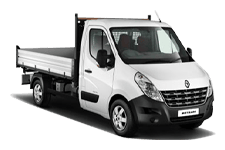
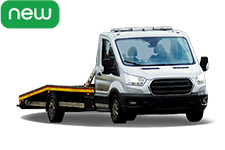
Start with the body type that protects or carries the goods properly. An enclosed body may suit furniture, cartons or weather-sensitive equipment, while an open body can be preferable for tall, bulky or awkward items that need easy access. Then select the loading method: a ramp supports wheeled goods, hand loading suits manageable pieces and a tail lift assists with heavier items when the landing area permits. Consider payload, load dimensions, passenger seating and the usable space at each address together. A smaller truck may be easier to position, whereas a larger body may reduce the need to stack or split a load. Give the booking team accurate measurements and the intended loading process before a group is discussed.
Nearby Hampshire journeys from Southsea
Commercial route references around Southsea include Portsmouth, Gosport, Hayling Island, Portchester and Havant. Before a truck travels from Southsea towards Portsmouth, Gosport or Hayling Island, provide site postcodes and verify height, weight, turning and loading restrictions.