











Planning a Milford on Sea truck journey
For a job starting in Milford on Sea, route planning should include the first loading point, every planned stop and the final unloading address. The A337 may form part of a journey through the area, but the most appropriate truck still depends on the access conditions at each end. Consider whether the route includes tight turns, parked vehicles, low branches, steep approaches or a busy frontage where positioning time may be limited. Share the intended start and destination during the telephone call, together with any intermediate stops. This gives the booking team a clear picture of the work rather than just a distance. The handover address and collection details are settled on the call, subject to the booking review and hire terms.
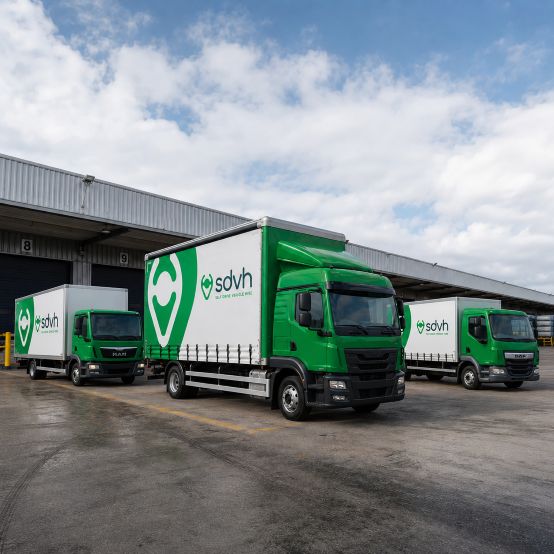
Truck hire for practical commercial jobs
Truck hire can suit a wide range of self-managed work around Milford on Sea. Typical examples include moving building materials between a supplier and a project, carrying tools and equipment to several work locations, transporting bulky stock, clearing a commercial unit or taking landscaping materials to a property. It may also help when a business needs to move its own goods without putting a large item into a smaller vehicle. Describe the load in plain terms, including its weight, length, width, height and whether it is boxed, palletised or loose. Mention lifting equipment, fragile items and the expected loading method. The telephone booking discussion can then focus on practical suitability, hire duration and the terms attached to the proposed truck group.
Check the loading point before calling
Site access deserves as much attention as the load itself. Measure the entrance, note the width of gates, identify overhead obstructions and consider whether a truck can turn without crossing soft ground or blocking a shared route. At a commercial site, establish where loading is permitted, who controls the access and whether a scheduled arrival is needed. For a home or building project, think about parked cars, scaffolding, skips, uneven surfaces and the distance from the vehicle to the door. Decide where passengers should meet the driver if several people are involved, and make sure the final address is unambiguous. Explain these points over the telephone so the handover plan reflects the real site rather than a broad locality.
Select the truck around the job
Start with the load, then consider the people travelling with it and the way it must be handled. Passenger seating matters when a team is taking tools to a site, while luggage or ancillary equipment may use space needed by the main consignment. Body type, internal dimensions, payload and loading height should be considered together. Access can rule out an otherwise attractive option if the destination has a narrow entrance, limited turning space or a low obstruction. Give the booking team the largest item measurements, estimated total weight, number of passengers, preferred loading method and any need for repeated stops. The appropriate vehicle group depends on those facts, the driver details and the commercial terms discussed on the call.
Nearby Hampshire journeys from Milford on Sea
Commercial route references around Milford on Sea include Everton, Lymington, Hordle, Barton on Sea, New Milton and Keyhaven. Before a truck travels from Milford on Sea towards Everton, Lymington or Hordle, provide site postcodes and verify height, weight, turning and loading restrictions.