







Plan the Barton on Sea route
For a journey starting in Barton on Sea and ending at an agreed commercial destination, route planning should account for the truck’s dimensions as well as the distance. A337 and A35 may form part of the wider journey, depending on the selected stops and final address. Multi-site schedules need more than a single navigation point: list each loading location, unloading location and return movement in order. If a site has a narrow entrance, limited turning space or timed access, mention it when calling. The booking team can then consider the route alongside the vehicle group, load and handover requirements. The final destination and any intermediate addresses should be read back carefully so the proposed arrangement reflects the work rather than just the first postcode.
Support several commercial stops
Truck hire can suit work that moves tools, materials, equipment or stock between several locations in one working period. A schedule might involve loading at one site, delivering part of the load to another, collecting items elsewhere and returning with remaining goods. The right vehicle group depends on how much is carried at each stage, whether items need protection from weather and how often loading will take place. Separate the fixed tasks from possible additions, such as an extra collection or a final return load. Sharing that sequence by telephone gives the booking team a clearer basis for discussing body type, capacity and practical timings without assuming that every stop has identical access or loading arrangements.
Consider loading and parking
Access can change from one commercial stop to the next. Check where the truck can stand safely while goods are loaded, whether a tail lift or other loading method is needed, and how close the vehicle can get to the working area. Record low entrances, tight turns, soft ground, parked vehicles and busy pedestrian zones. Passenger meeting points also deserve attention when several people are travelling between sites. If the final address differs from the first location, provide both details clearly on the call. The booking team uses those practical notes to discuss a suitable vehicle group and sensible handover plan, while the agreed address and return details remain subject to the booking confirmation.
Match the truck to the job
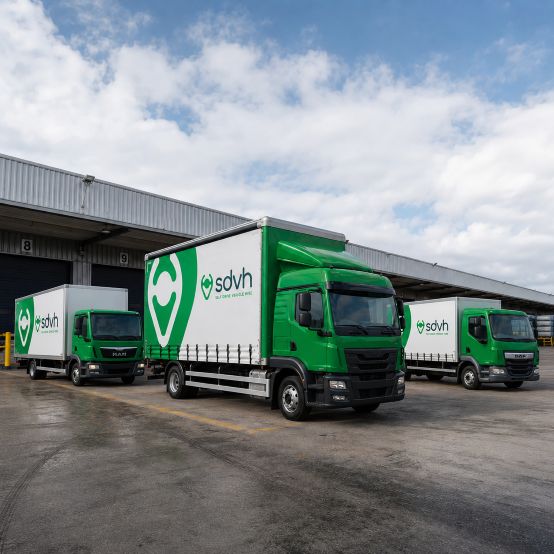
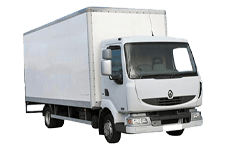
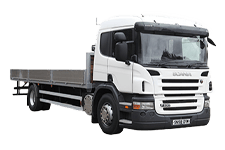
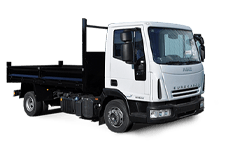
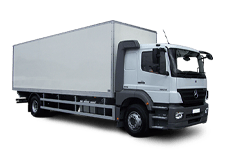
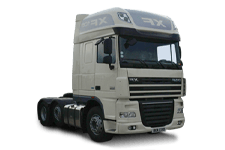
Start with the load rather than the badge or appearance of a truck. Note the number of passengers, the weight and shape of the goods, the need for covered or open space, and whether equipment must be kept separate. Body dimensions matter where pallets, long materials or bulky items are involved. Access may favour a more compact group, while repeated site visits may make additional capacity worthwhile. Driver entitlement also needs consideration for the chosen category. Explain the full job on the call, including every stop and any unusual load. The booking team can compare those requirements with the fleet catalogue and identify the most appropriate group for the work.
Nearby Hampshire journeys from Barton on Sea
Commercial route references around Barton on Sea include New Milton, Hordle, Everton, Milford on Sea, Sway and Milton. Before a truck travels from Barton on Sea towards New Milton, Hordle or Everton, provide site postcodes and verify height, weight, turning and loading restrictions.