





Build the journey around the route
For a truck journey starting in Liss, the intended start point and destination should be stated plainly when the booking is discussed. Route references around the area include A3, A272 and A325, yet the best choice depends on the complete itinerary rather than one road name. The call should cover likely stopping points, the final approach and any location where a larger vehicle may need extra room to turn or wait. If the destination has a tight entrance, shared access or a timed unloading point, that information can influence the truck group selected. A written address, postcode and useful access description make the journey easier to assess. The booking team records the route details by telephone and explains any further information needed for the proposed handover.
Match the truck to the job
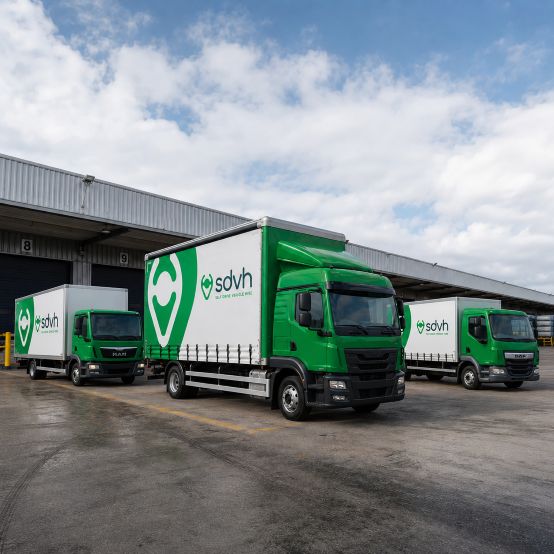
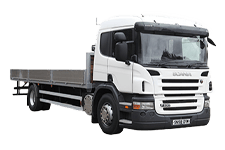
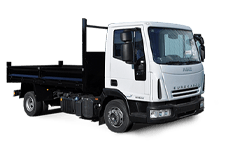
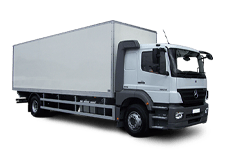
Truck hire in Liss may support a household move, a furniture transfer, a building-material run, an equipment relocation or a general commercial journey. Each job calls for a different balance of payload, floor space, loading height and passenger accommodation. Household items may need careful stacking and protection, while machinery or materials may require more attention to weight distribution and securing points. For a multi-stop journey, the order of collections and drops should be explained in advance, along with any waiting, loading or unloading activity. Liss station is a useful named reference point when describing a meeting area or broad starting direction, although it does not define the handover address. The booking team uses the job description to guide the vehicle discussion.
Prepare the loading point
Access planning is particularly important when a truck must reach a residential drive, industrial entrance, farm approach or shared forecourt. The booking conversation should cover gate width, overhead obstructions, surface condition, turning room and the distance between the stopping point and the load. A safe place for loading can reduce carrying distance and keep the vehicle clear of passing traffic. Passenger meeting arrangements should also be explained if anyone is travelling in the cab, including where they can wait without blocking the approach. If the final address has a one-way system, controlled access or a narrow lane, those details belong in the initial call. The booking team can note the practical access information and relate it to the proposed truck group.
Choose by weight and space
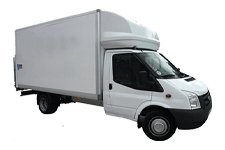
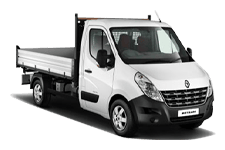
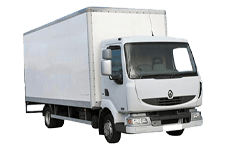
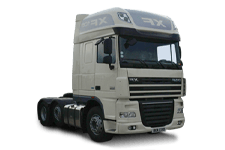
Vehicle choice should follow the load profile. Start with the heaviest item, then estimate the combined weight of everything else, including packaging, tools and securing equipment. Next, compare the required internal length, width and height with the shape of the load. Passenger numbers, luggage and body style may narrow the options, while a low loading height can matter more than extra cubic space for certain jobs. Access can change the decision too: a generous body may be unsuitable if the final approach is tight. Driver entitlement and insurance should be discussed alongside the physical requirements, not treated as a separate afterthought. The booking team uses the full description to indicate which vehicle group merits further consideration.
Nearby Hampshire journeys from Liss
Commercial route references around Liss include Steep, Petersfield, Whitehill, Selborne, Liphook, Greatham and Hawkley. Before a truck travels from Liss towards Steep, Petersfield or Whitehill, provide site postcodes and verify height, weight, turning and loading restrictions.