

Plan the route from Hythe
Set out the Hythe truck route from the collection site to every loading or delivery address. Check the proposed Hythe approaches against body height, overall length, load weight and signed HGV restrictions. Exact Hythe postcodes, appointment times and turning constraints give the booking team enough detail to consider the truck group and handover requirements.
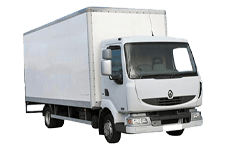
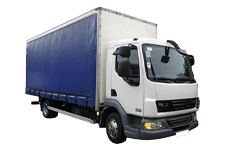
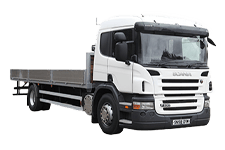
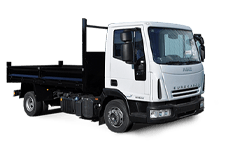
Match the truck to the job
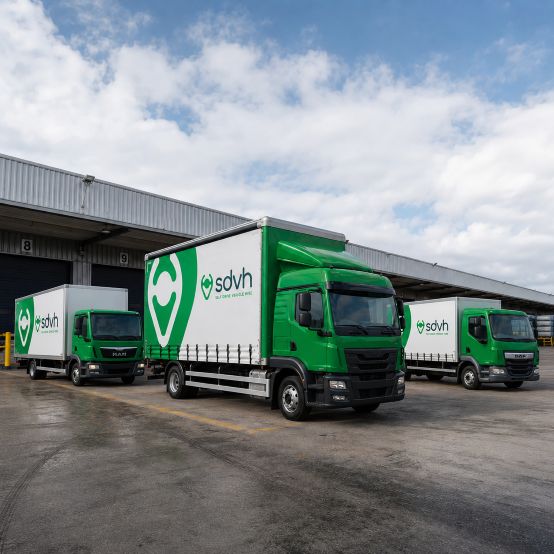
Truck hire can support a range of planned journeys, from moving furniture and appliances to carrying tools, stock or equipment between work locations. A trip involving Southampton Central station via Hythe ferry and city links may call for careful thought about luggage, passenger seating and the final unloading point. Loads connected with the Port of Southampton, Fawley and Marchwood waterfront employment areas, or work beside Southampton Water, may need different payload and access considerations. The Hythe ferry is another useful reference when discussing how people and goods will meet the vehicle. These references describe possible local travel details, subject to confirmation service locations, so the start point, destination and intended use should be explained during the telephone conversation.
Prepare the loading point
A truck needs more than a usable road. Check whether the loading point has enough width for doors or ramps, a firm surface for equipment, and room for people to work without blocking traffic. Confirm who controls parking at the start and destination, especially where loading takes place near homes, shared accessways or busy working areas. If a passenger is meeting the vehicle, agree a recognisable and safe meeting position rather than leaving the driver to search. Note gates, height limits, one-way access, turning requirements and any time restrictions. Sending accurate address details by telephone gives the booking team a clear basis for discussing delivery, collection and final-position practicalities.
Choose by weight and access
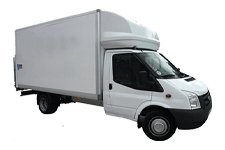
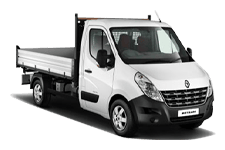
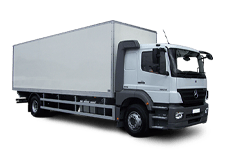
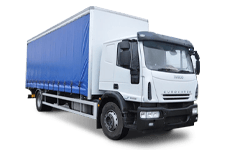
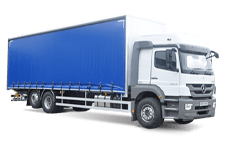
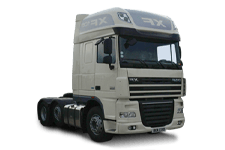
Vehicle selection should reflect more than the apparent size of the load. Start with the estimated weight, then consider volume, shape, stacking limits, tail-lift or ramp needs, cab seating and the clearance provided at each end. Fragile or awkward items may need extra floor space even when their combined weight is modest. Conversely, dense materials can reach a payload limit before the body looks full. Explain whether loading will be manual, assisted or carried out with equipment, and whether the truck must enter a confined yard or residential approach. Clear details allow the booking team to steer the choice towards a group that fits the work, route and access conditions being described.
Nearby Hampshire journeys from Hythe
Commercial route references around Hythe include West End, Netley, Southampton, Holbury, Marchwood and Dibden. Before a truck travels from Hythe towards West End, Netley or Southampton, provide site postcodes and verify height, weight, turning and loading restrictions.