
Plan the route around the work
For a job starting in Hedge End, route references may include A334, M27, A27, A3024 and A3025. These roads can help frame the start point and intended destination when discussing a timed trade run, but they are not a substitute for the precise address. State the complete collection location, every planned stop and the final destination, together with any arrival window that matters to the customer or site. If a route involves several drops, describe the order rather than naming only the broad area. It is also useful to mention whether the truck must return to the starting point or finish at another agreed location. The booking team will record the journey outline by telephone and confirm the handover details through the normal booking process.
Build the truck around the job
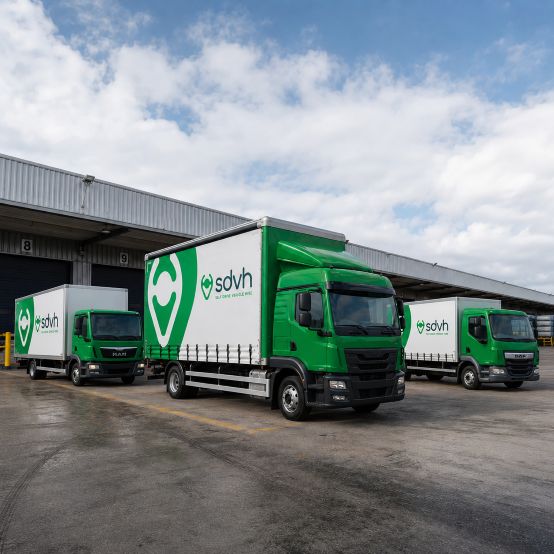
Hedge End work may involve moving tools between a workshop and site, taking materials to a timed drop, collecting equipment after a project or completing several trade deliveries in one run. The practical setting might be near Hedge End station, the M27 Junction 7 commercial area, the Hedge End trade and employment area or Hedge End Retail Park. M27 Junctions 7 and 8 may also be useful reference points when explaining the order of a journey. These names provide context, not a promise that a particular handover can take place there. Give the booking team the actual addresses, site opening times and any contact instructions. That information supports a clearer discussion of the truck body, load space and timing needed for the work.
Check the handover conditions
Timed drops work best when access details are considered alongside the vehicle. Explain where the truck can wait safely, whether a loading bay or private standing area is relevant, and how far the load must travel from vehicle to door. Mention height barriers, tight turns, soft ground, shared entrances, reversing constraints and any need to keep a route clear for other users. If a passenger is meeting the vehicle, identify the agreed meeting point and the person responsible for receiving the load. The final address, access instructions and suitable handover point are confirmed by telephone. For a commercial site, include opening hours and a site contact. For a residential destination, describe the frontage and unloading space plainly rather than assuming a large truck can stand outside.
Match capacity to the delivery
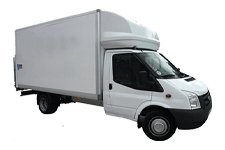
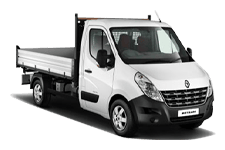
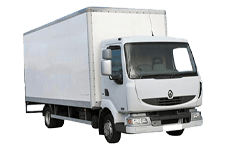
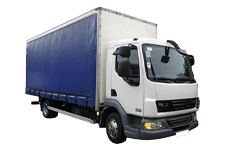
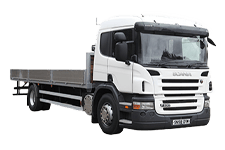
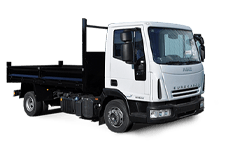
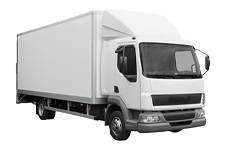
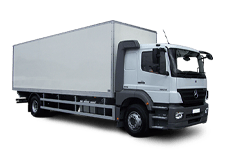
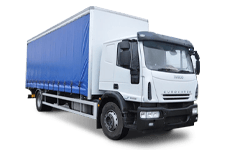
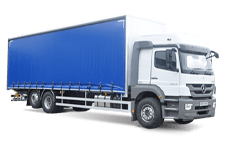
Start with the load rather than choosing by appearance. State the approximate weight, length, height, width and number of separate items, then explain whether goods are palletised, loose, boxed, fragile or awkwardly shaped. Consider the body required, relevant payload, loading height and access at the tightest stop. Cab space matters when more than one authorised person travels, while luggage or tools may need protection from the load area. A truck for a single light drop may differ from one carrying dense materials to several sites. The booking team will use these details to discuss a suitable vehicle group, subject to driver entitlement, insurance position and the relevant hire conditions. Any unusual equipment or loading method should be mentioned at the outset.
Nearby Hampshire journeys from Hedge End
Commercial route references around Hedge End include Botley, Bursledon, Curdridge, Horton Heath and Durley. Before a truck travels from Hedge End towards Botley, Bursledon or Curdridge, provide site postcodes and verify height, weight, turning and loading restrictions.