



Plan the route from Cove
For a journey starting in Cove, the telephone discussion should record the precise destination rather than just a town name. Route references around the area include A327, A3013, M3, A323 and A325, so the intended direction and any planned stops are useful details when discussing truck size and timing. A load that is comfortable on a longer run may still need a different body where the final approach is tight. Customers should identify the start address, destination address and any access point used for loading or unloading. The booking team can then consider the route information alongside payload, dimensions and parking conditions. The road names provide useful orientation, but they do not decide whether a particular truck suits the journey. Final arrangements depend on the addresses and requirements given during the call.
Match the truck to the job
Truck hire may support a house move, furniture transfer, renovation work, equipment transport, a clearance or a single bulky delivery. Each task creates different demands. Flat-packed items may need length and careful securing, while rubble, tools or heavy materials call for close attention to payload. A move involving several rooms can benefit from fewer loading cycles, whereas a narrow access job may favour a more compact body. Customers should describe what is being carried, how it will be loaded and whether passengers need cab space. The purpose of the journey also helps identify useful features, such as rear access or a low loading height. The booking team considers those practical details rather than assuming every truck suits every type of work.
Prepare the loading address
Access planning is especially important when a truck must reach a residential street, shared drive, building entrance or work area. The customer should check whether there is enough room to stop without blocking gates, visibility or other vehicles, and whether the surface is suitable for loading. Describe steps, slopes, low branches, narrow entrances and any lift or loading-bay restrictions. If parking is limited, a safe nearby meeting point may need to be discussed. The final address, access instructions and person receiving the vehicle should be clear in the telephone conversation. Passenger meeting details matter too, particularly where tools or luggage will travel in the cab. Clear information helps the booking team judge whether the proposed vehicle group fits the location.
Choose by weight and space
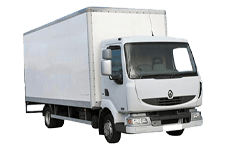
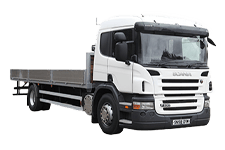
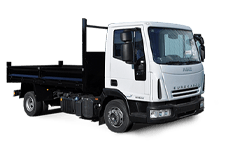
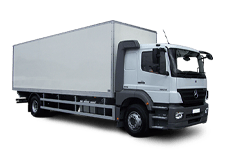
Vehicle choice should reflect more than the apparent size of the load. Payload, dimensions, body design, passenger seats and access all work together. A heavy compact item may require greater payload without needing a long body, while furniture or building materials may need additional floor length. Customers should separate the load weight from the weight of passengers, tools and securing equipment, then mention the largest individual item. The number of loading trips, the destination access and the road plan may also influence the most sensible group. If the load is uncertain, photographs or measurements described over the phone can make the discussion more precise. The booking team uses those facts to narrow the options without assuming that the largest truck is automatically the best choice.
Nearby Hampshire journeys from Cove
Commercial route references around Cove include Farnborough, Fleet, Yateley, Hartley Wintney and Eversley Centre. Before a truck travels from Cove towards Farnborough, Fleet or Yateley, provide site postcodes and verify height, weight, turning and loading restrictions.