
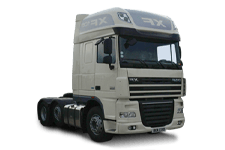
Plan the route from Basingstoke
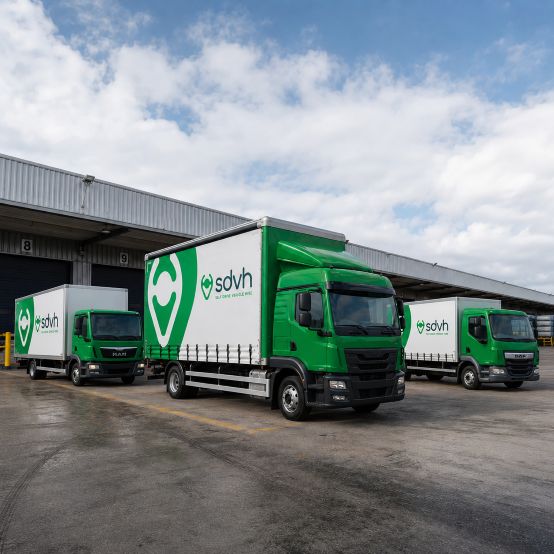
Set out the Basingstoke truck route from the collection site to every loading or delivery address. Check the proposed Basingstoke approaches against body height, overall length, load weight and signed HGV restrictions. Exact Basingstoke postcodes, appointment times and turning constraints give the booking team enough detail to consider the truck group and handover requirements.
Commercial access checks near Basingstoke
Basingstoke has an industrial/distribution area (Radius Park) south-west of the town centre, close to M3 Junction 6. Customers routing a hired truck to Basingstoke's industrial area can plan via the planned Basingstoke route/Winchester Road corridor near M3 Junction 6. Before the Basingstoke truck movement, verify HGV access, loading permission and signed vehicle restrictions with Radius Park or the relevant authority.
Prepare the loading point
A truck needs more than a street name at the handover point. Check whether a rigid vehicle can approach, turn and stand without blocking entrances or creating an unsafe loading area. Measure gateways and note low branches, balconies, parked vehicles, gradients and soft ground. For rear loading, allow room behind the body; for side loading, keep the working side clear. A tail lift also needs level operating space and a route for goods between the vehicle and building. Passenger meeting details should be simple and unambiguous. Give the booking team the exact address, access instructions and any timing constraints, with final arrangements handled under the hire terms.
Choose bodywork by load
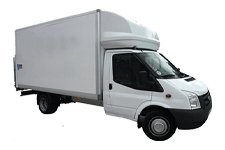
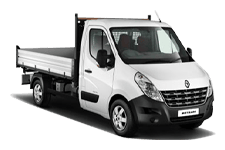
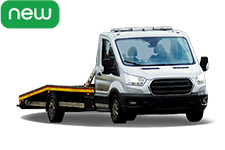
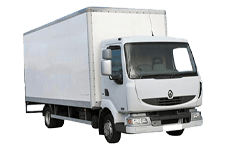
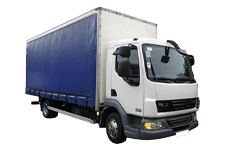
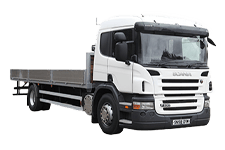
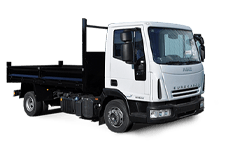
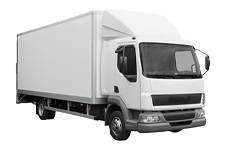
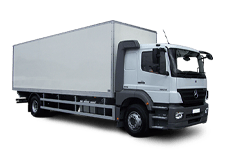
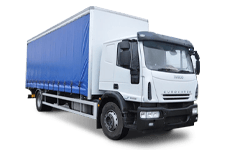
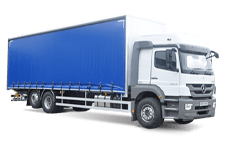
Start with the goods, then select the body and loading method. An enclosed box body may suit furniture or weather-sensitive items; a dropside can make side loading easier; a tipper is intended for suitable loose materials; and a tail lift may assist with wheeled or palletised goods where its capacity and operating space fit the job. Payload is separate from physical volume, so heavy compact items need particular care. Consider whether the driver must load, whether another person will help and whether restraint equipment is needed. Describe these points clearly so the booking team can place the request against the relevant vehicle group and driver entitlement.
Nearby Hampshire journeys from Basingstoke
Commercial route references around Basingstoke include Old Basing, Sherborne St John, Oakley, Sherfield on Loddon, Bramley and Cliddesden. Before a truck travels from Basingstoke towards Old Basing, Sherborne St John or Oakley, provide site postcodes and verify height, weight, turning and loading restrictions.